
Washington has received Iran’s official response to proposals aimed at ending the U.S.-Israeli imposed conflict. U.S. President Donald Trump confirmed that he has reviewed the response but did not specify whether he was satisfied with its content, as domestic and international observers await a formal U.S. position expected in the coming hours.
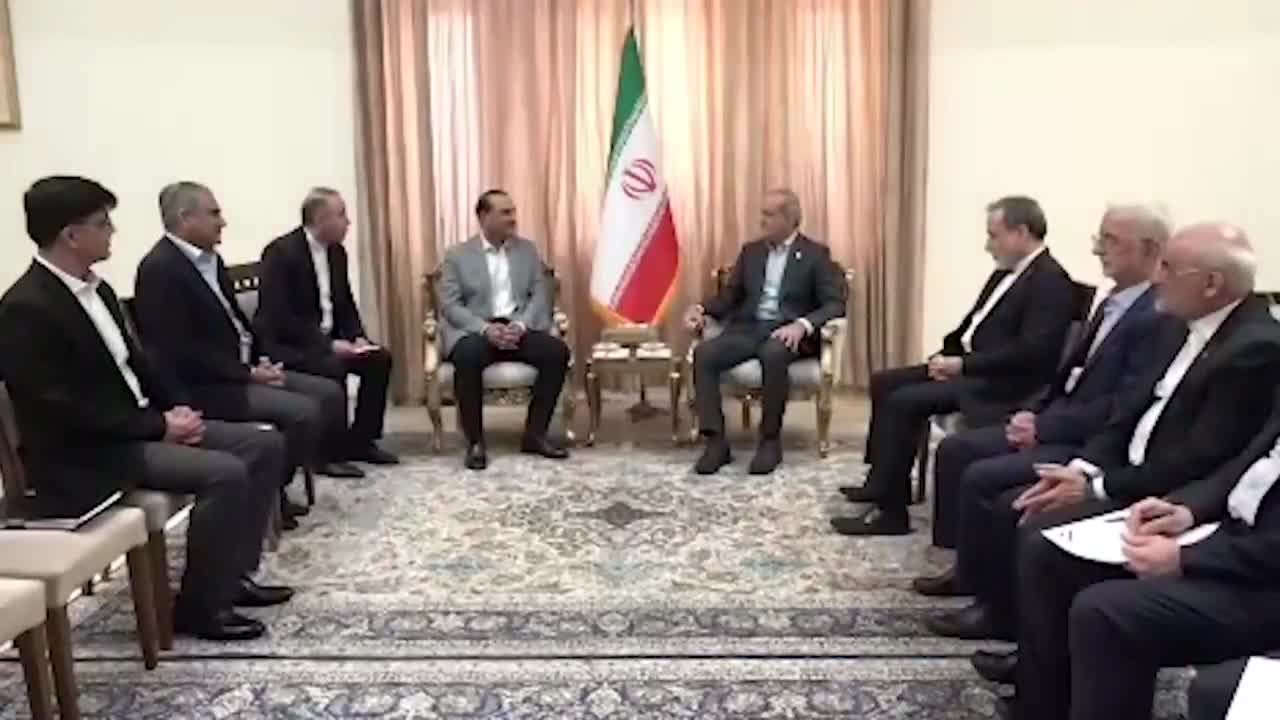
Tehran announced that, in coordination with Pakistani Army Chief Asim Munir, it has finalized a draft interim agreement designed to halt hostilities and initiate indirect negotiations lasting between 30 and 60 days. These talks are intended to address the nuclear file, as well as additional matters related to regional security, sanctions, and military escalation in the region.
U.S. media reports anticipate that President Trump may address the nation later to declare Washington’s stance on Iran’s response, especially as diplomatic channels remain active through regional intermediaries, notably Pakistan, Qatar, and select Gulf states.
Washington is interpreting the Iranian response as an indication of Tehran’s willingness to engage in a conditional de-escalation framework—a “phased understanding” rather than a comprehensive final agreement.
According to cross-referenced U.S. reports, Iran’s response includes several key provisions:
- First: Iran is prepared to return to an indirect negotiating track with the United States, contingent on the cessation of U.S. and Israeli strikes and a halt to the expansion of military operations.
- Second: Acceptance of the principle of “calm for freeze,” meaning a temporary suspension of military and naval escalations in exchange for a freeze on new sanctions and certain U.S. escalatory measures.
- Third: A commitment from Iran not to directly target U.S. military bases as long as no new attacks are launched on Iranian soil.
- Fourth: Tehran’s willingness to offer specific arrangements for maritime security in the Strait of Hormuz, without relinquishing its right to manage the level of naval escalation.
- Fifth: A clear Iranian rejection of any framework involving the dismantlement of its missile program or the imposition of security oversight beyond the nuclear file.
- Sixth: A demand for U.S. guarantees preventing a resurgence of Israeli attacks during the negotiation period.
Assessments circulating in U.S. media indicate that the Trump administration is approaching these provisions cautiously. While they are viewed as an opportunity to contain escalation, the Iranian response is considered insufficient relative to Washington’s demands, particularly concerning the nuclear program and uranium enrichment levels.
In response, U.S. circles expect an American reply within the coming hours that combines pressure with containment. This response is likely to include:
- Continued military and naval buildup in the region as a negotiating leverage tool.
- Granting intermediaries—especially Pakistan and Qatar—additional room to facilitate further communications.
- Avoiding a large-scale, immediate strike against Iran as long as negotiation channels remain viable.
- Seeking additional concessions from Iran regarding enrichment and nuclear monitoring.
- Keeping the option of limited military strikes on the table in the event Tehran retreats from de-escalation or attacks on U.S. interests intensify.
U.S. media discussions also reflect growing concern within Washington that an open confrontation with Iran could lead to a sharp rise in energy prices and disrupt global markets. This concern, according to these analyses, explains the current administration’s inclination to manage the crisis through negotiation backed by military pressure, rather than moving directly toward all-out war.