
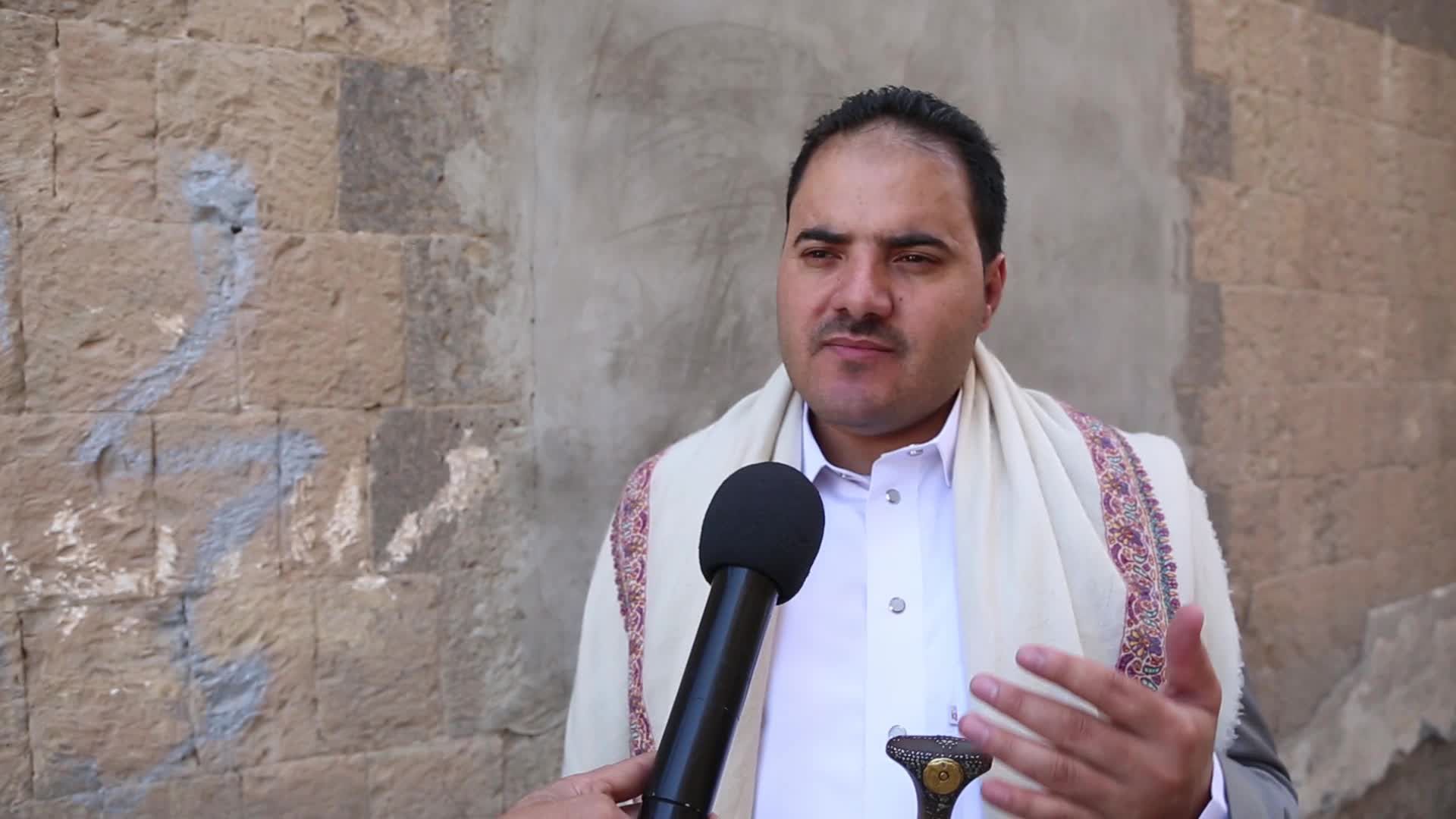
Ahmed Abu Hamra, Deputy Head of the National Committee for Prisoners' Affairs, has confirmed the conclusion of a humanitarian agreement with the Saudi side and its allied parties. The agreement, facilitated under the auspices of the United Nations and the International Committee of the Red Cross (ICRC), stipulates the release of 2,900 detainees from all conflict parties.
In statements to the Unews agency, Abu Hamra detailed that the agreement includes the release of 1,700 detainees held by the Sana'a government and 1,200 detainees from other parties. Among the latter group are seven Saudi nationals and twenty-three Sudanese nationals.
Abu Hamra outlined that the implementation of the exchange will proceed through several phases. The initial phase involved agreeing on the numbers, followed by the exchange and approval of detainee lists. Subsequent steps include field visits to verify the presence of the agreed-upon individuals in the various detention facilities. The final lists are scheduled for exchange by approximately January 27, after which the physical transfer process will commence.
He further indicated that following the completion of the exchange, field committees will verify that no detainee covered by the agreement remains in custody. Additionally, the agreement includes a provision for the recovery of all remains from various frontlines under the supervision of the ICRC.
Abu Hamra emphasized that the agreement is "time-bound," with its phases clearly scheduled, as a step toward the ultimate goal of a comprehensive "all for all" prisoner exchange.
Regarding previous delays in reaching an agreement, Abu Hamra stated that the other side had "undermined prior deals" by adding names that were not mutually agreed upon, and that the multiplicity of involved parties had previously been an obstacle. He expressed hope that the implementation would proceed without hindrance on this occasion.
He characterized this humanitarian step as a potential catalyst for resolving other outstanding issues, expressing optimism that its successful completion could pave the way for comprehensive peace efforts and an end to the blockade which, he stated, the coalition countries continue to impose on Yemen to this day.