
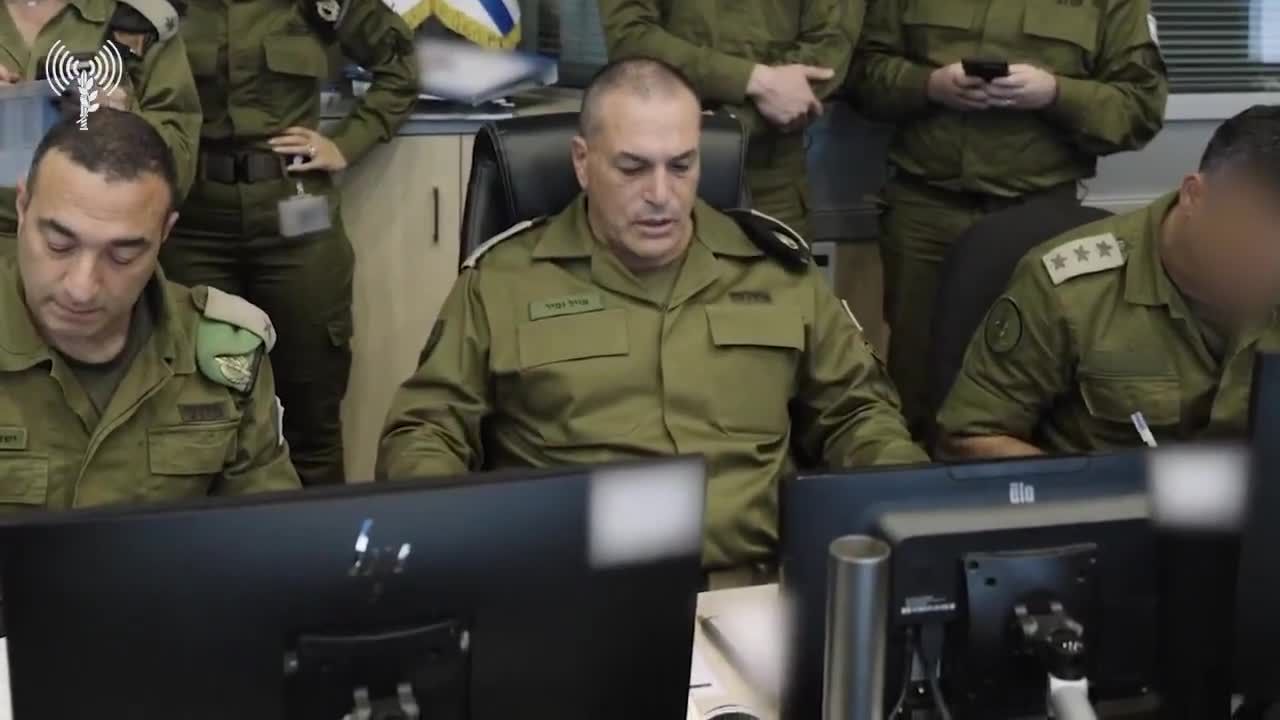
In response to a recent airstrike in Lebanon, the Israel Defense Forces (IDF) have significantly elevated the alert status of their air defense units in the north. This decision, as reported by Israeli Army Radio, follows a situational assessment indicating a high probability of retaliation from Hezbollah in the immediate future.
Military analysts have outlined several potential scenarios for a Hezbollah response. The most prominent concern is the launch of substantial rocket and missile barrages targeting civilian areas, which has directly prompted the reinforcement of air defense batteries. Other considered possibilities include attempted cross-border infiltrations or targeted attacks on Israeli military outposts.
Furthermore, the IDF assessment indicates a potential for involvement by Ansar Allah, given the close relationship between the recently deceased leader, Haitham al-Tabatabai, and the group. It is assessed that their response could be either direct or indirect.
Despite these preparations, Israeli military officials have not discounted the possibility that Hezbollah may choose to refrain from immediate military escalation. The potential for de-escalation remains a viable option, contingent upon Hezbollah's internal calculations and the prevailing conditions on the ground.
The heightened state of alert follows an Israeli operation on Sunday that targeted a residential building in the Haret Hreik area of Lebanon, resulting in the death of Haitham Ali al-Tabatabai and several other individuals.
Concurrently, the IDF continues to prepare for a potential large-scale military campaign, described internally as a "round of weakening," against Hezbollah. The stated objective of such an operation would be to expand strikes within Lebanon to degrade the group's capacity to rebuild and enhance its military capabilities at this time.